
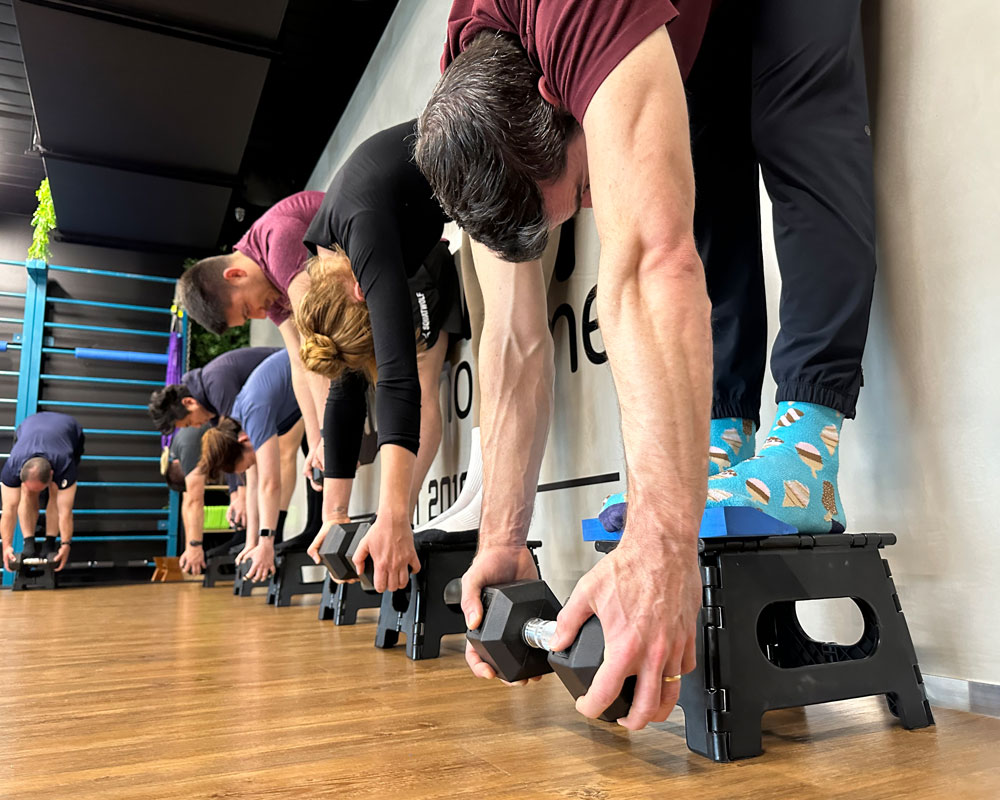
Movement Flow
Connect individual skills into seamless sequences. The art of transitioning between movements with grace and control.
Movement flow represents the integration of individual skills into fluid sequences, creating artistic expression through physical movement. Rather than a single skill, flow encompasses the transitions, connections, and creative combinations that transform isolated exercises into dance-like sequences. This practice develops not only physical capabilities but also creativity, body awareness, and the joy of movement.
Beyond Movement embraces flow as both training methodology and end goal, recognizing that true movement mastery involves seamless transitions between positions. We begin with simple two-movement combinations, gradually building to complex sequences that challenge strength, flexibility, and coordination simultaneously. The emphasis remains on quality and control rather than complexity for its own sake.
Regular flow practice transforms how practitioners relate to movement. The creative aspect engages different neural pathways than repetitive training, while the varied positions address mobility and strength comprehensively. The practice proves meditative for many, providing mental benefits alongside physical development. Movement flow represents the culmination of skills training—where individual elements combine into something greater than their parts.
Prerequisites
- Basic movement vocabulary
- Body awareness
- Willingness to explore
- Open mindset
- Any skill level
Common mistakes
-
Rushing transitions
Flow requires control and patience
-
Ignoring breath
Coordinate breathing with movement
-
Forcing complexity
Simple sequences can be beautiful
-
Comparing to others
Find your own unique style
-
All planning, no play
Allow spontaneity and exploration
Learn This Skill In These Classes
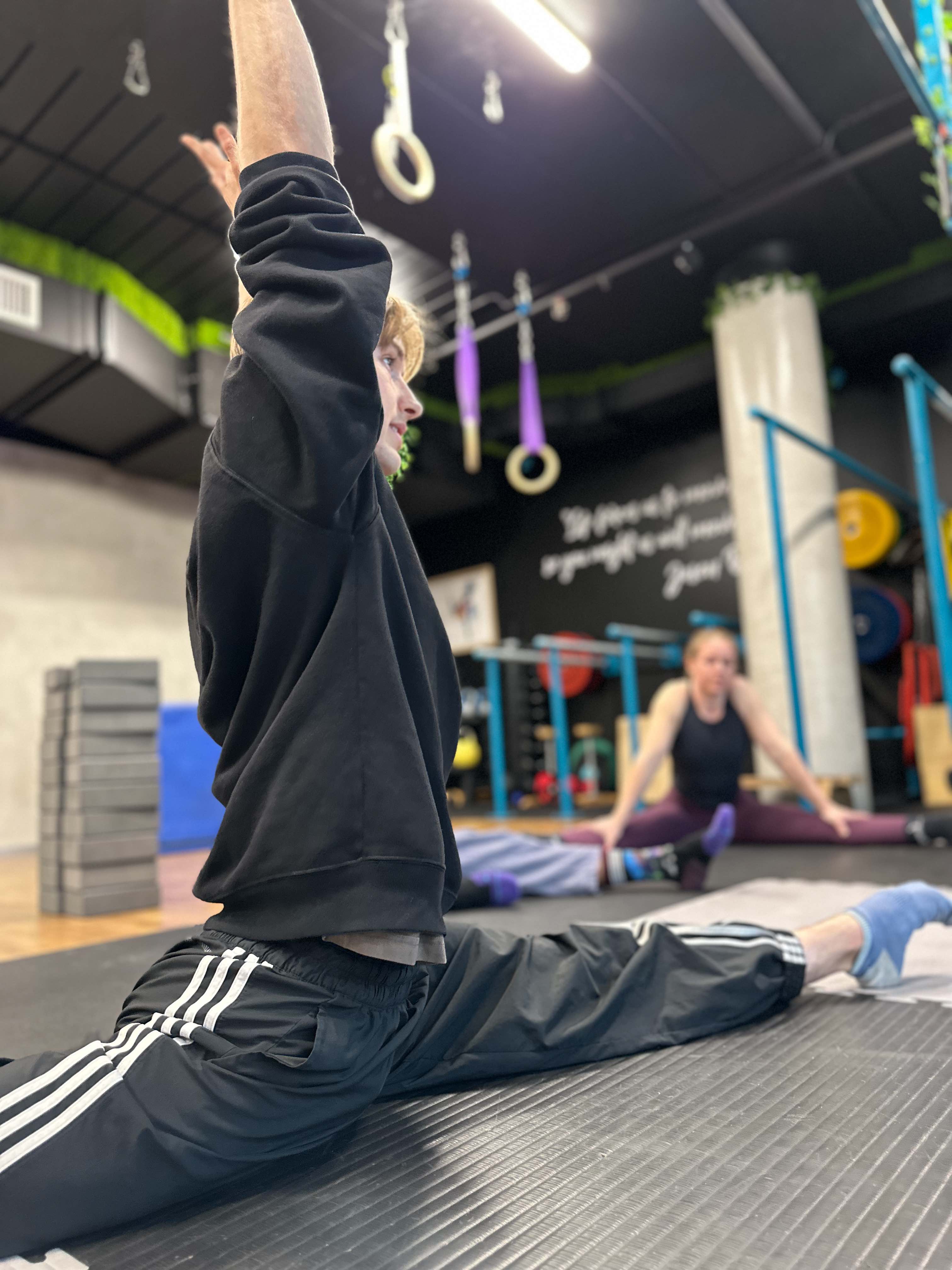
Related Skills
Foundation
Basic Movement Patterns
Coming Soon
Foundation
Body Awareness
Coming Soon
Foundation
Breath Coordination
Coming Soon
Progression
Creative Sequencing
Coming Soon
Progression
Advanced Flows
Coming Soon
Progression
Partner Flows
Coming Soon
Common questions about Movement Flow
How long does it take to learn Movement Flow?
Most people need Ongoing of consistent, coached practice. That assumes you can already meet the prerequisites below — starting without them is the single biggest reason progress stalls.
What do you need before starting Movement Flow?
Build these first: Basic movement vocabulary,Body awareness,Willingness to explore,Open mindset,Any skill level. Each one removes a specific limitation, so working on them is not a detour — it is the fastest route to the skill.
What are the most common Movement Flow mistakes?
- Rushing transitions — Flow requires control and patience
- Ignoring breath — Coordinate breathing with movement
- Forcing complexity — Simple sequences can be beautiful
- Comparing to others — Find your own unique style
- All planning, no play — Allow spontaneity and exploration